This article was first published August 2, 2025, at fieldethos.com.
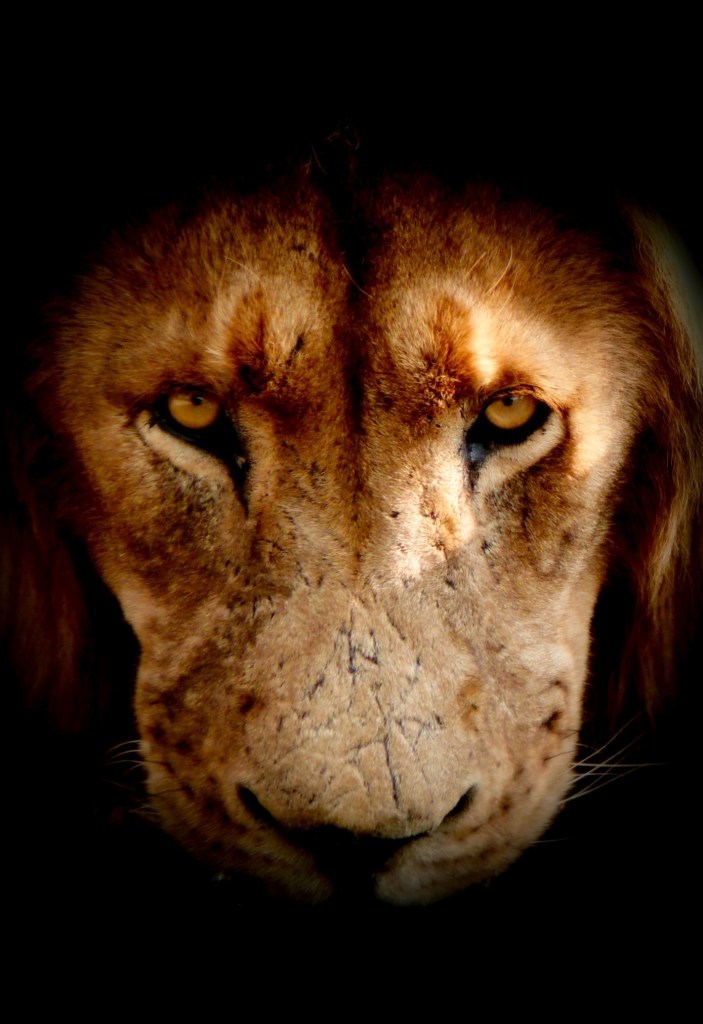
I’ve seen Africa with my own eyes. Three times now, I have journeyed to the Dark Continent, and each one of those trips has left an indelible image burned into my brain. Carved from stone crocodiles on the banks of the Sabie River. A bakkie sized black rhino in the Pilanesberg Game Reserve. Maybe the most enduring memory I have of Africa is the tufted tail of a teenaged lion silhouetted against a sunrise in Kruger National Park.
I saw Africa first, though, through the eyes of another. Bob Eckles hunted all over the world and made multiple safaris to the Dark Continent. He always returned home, though, to the ranch he owned in Hughes County, Oklahoma, where so many of my memories were made. My dad killed his first whitetail on Eckles’ place, as did I and my brothers and who knows how many others. Bob returned to his ranch for the last time in 2019. He died that August.
Eckles probably wasn’t the kind of role model parents choose for their children. Not my parents, anyway. He didn’t have to be on safari to enjoy a sundowner, and he was the first man I ever met that could stretch a four letter word across three syllables. But I loved him. He’d treat my family to dinner and order me the biggest steak on the menu just to see if I could eat it. And he’d make tin cans dance with a pair of pearl handled revolvers, just so he could watch my face light up.
Everything about Eckles inspired adventure in the heart of a young boy. Hats didn’t hang from hooks in Bob’s house; they hung from the horns of rhinoceros. Four wheeling Land Cruisers never hesitated to test the limits of verticality with Bob behind the wheel, and a BBQ lunch was flown in on Bob’s helicopter every year on Opening Day of Oklahoma’s rifle season.
Eckles continued to stoke that fire of adventure through the years when he’d stop by our deer camp, our deer camp on his ranch, to eat a bowl of my mom’s venison stew and drink a cup of my dad’s coffee. The stories told around those campfires were truly legendary.
Bob told us that he had once shared a sundowner with Hemingway near the Ngorongoro Crater. Both were hunting elephants, Ernest with a camera and Bob with a rifle. We never heard who found them first, but the fireplace in Bob’s house was framed by a matching set of massive tusks.
On another safari a few years later, just across Lake Victoria in war torn Uganda, Eckles bellied up to the bar at the local watering hole one evening with his Professional Hunter after a long day hunting eland. From daylight to dark, they had followed the spoor of an old bull and never caught up with him. A drink was well deserved. Eckles was nearly finished with his third when his PH elbowed him in the ribs and nodded toward the door. Bob turned in time to see a man walk into the establishment surrounded by muscles and machine guns. As one, every occupant in the bar rose from his seat and stared at the floor. Every occupant except for Eckles and his PH, that is. Afraid of committing a cultural faux pas, Bob started to rise with the rest of the room, but his professional hunter laid a hand on his shoulder, leaned in close and hissed:
“Don’t you dare stand for that bloody bastard.”
Too tired or too drunk to object, Bob shrugged his shoulders and kept his seat, signaling the bartender for another. His insolence earned him a scowl from the contingent of armed guards, but nothing more. Eckles didn’t give it another thought and turned his attention to the matter at hand – getting well and truly sauced.
Bob told us he didn’t know who the man was in the middle of all those muscles and machine guns until his professional hunter identified him on the drive back to camp, but he assured us that had he known it was Idi Amin, the infamous Butcher of Uganda, he would have been standing at full attention.

 Wright Outdoors